French International School of Pattaya
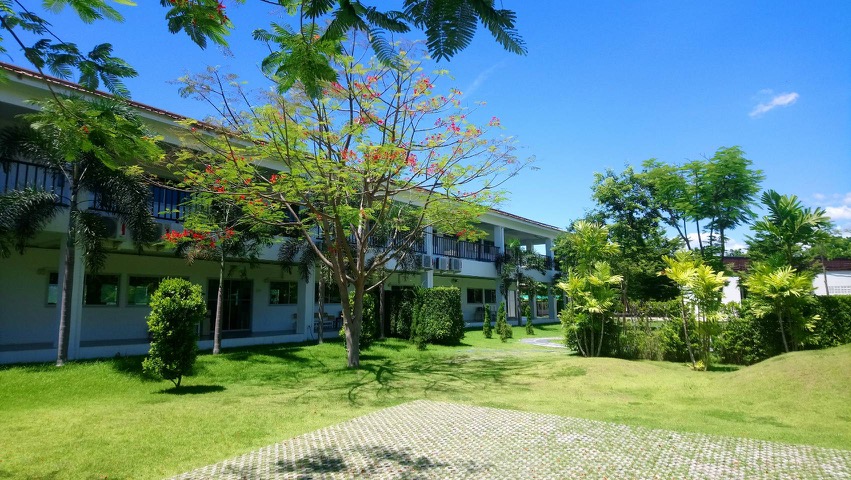
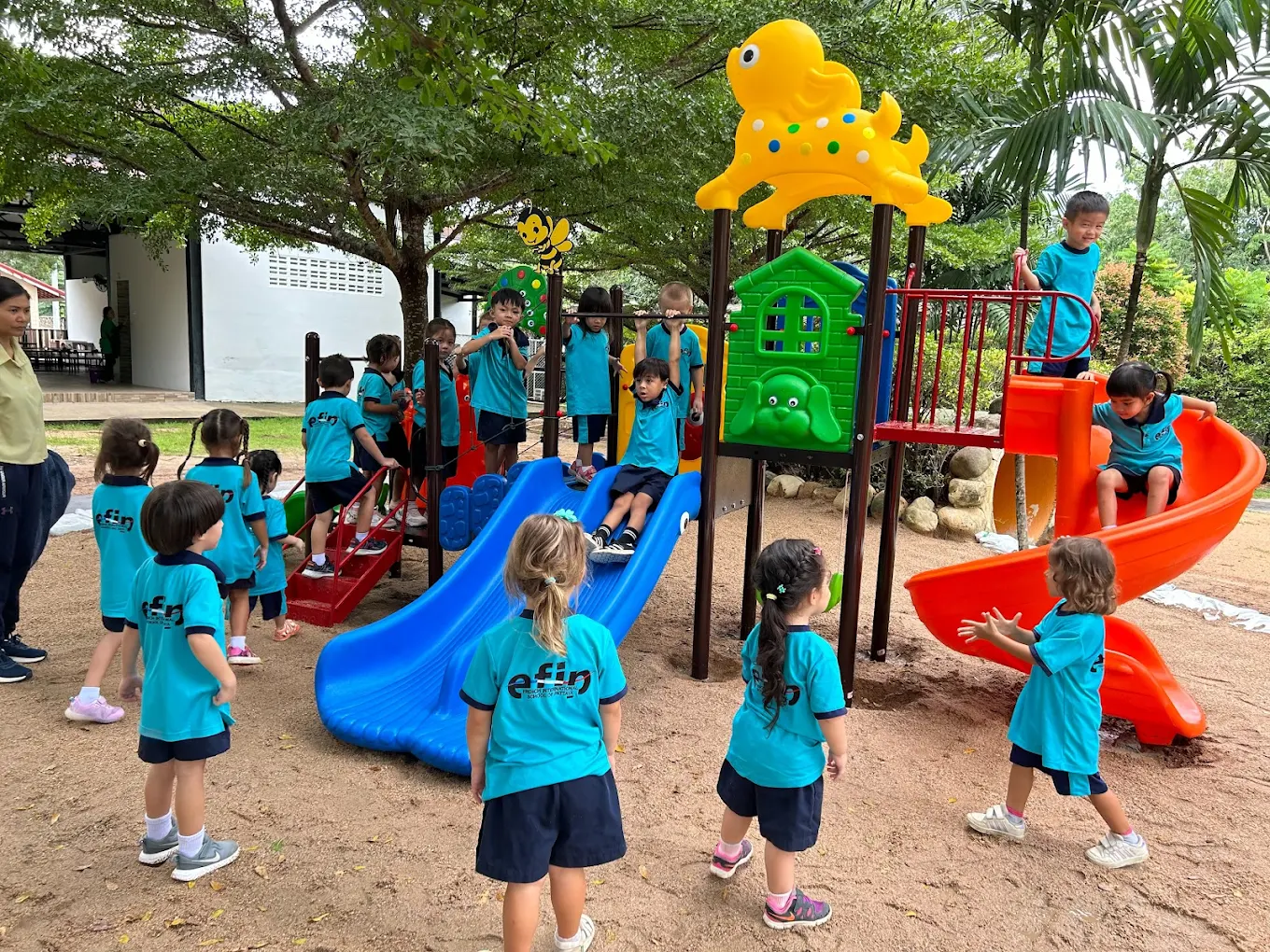
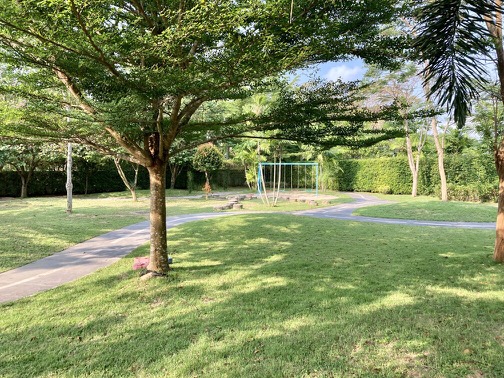
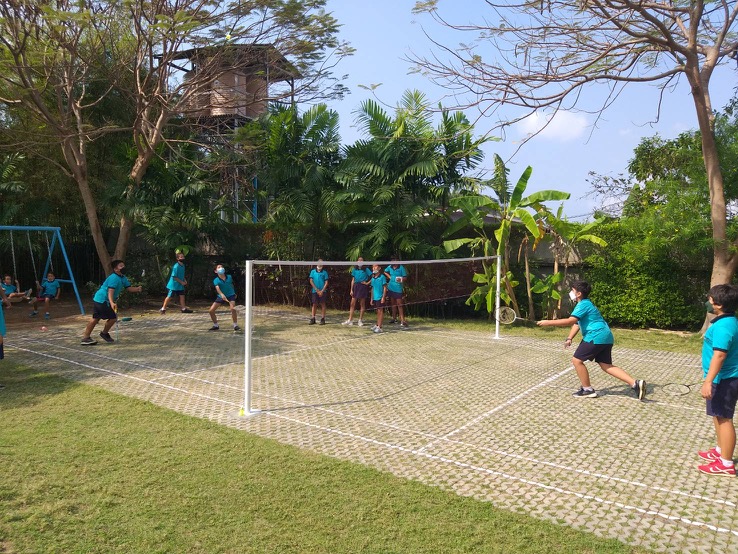
The new school, which opened at the start of the September 2018 school year, now accommodates around 260 students and is experiencing a steady growth in enrollment. Built on 15,000 m² of land, it will eventually accommodate up to 400 students from early years of kindergarten to the final year of high school.
Building on its strengths, EFIP offers the opportunity to learn several modern languages (English and Thai from kindergarten, then Chinese or Spanish in middle school) in addition to French, which is the main language of study. This learning is validated within the official framework of French exams (DNB and baccalaureate) and followed by internationally recognized official certifications (in accordance with the European framework for modern languages).
Through French-style education, in an international context, we want to offer EFIP students a methodological, conceptual, intellectual framework, a general culture and a sense of autonomy and initiative that allows them to adapt to an increasingly complex and constantly changing world.
All EFIP staff are committed on a daily basis.
A school network unique in the world
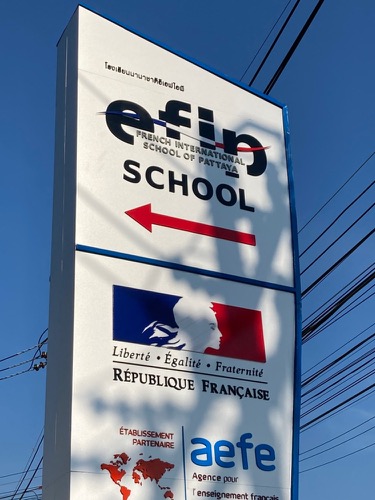
AEFE, a public establishment under the supervision of the Ministry of Foreign Affairs, created by the law of July 6, 1990, coordinates and manages the French education network abroad with the dual mission of ensuring the continuity of the public education service for French children living abroad and contributing to the dissemination of the French language and culture abroad.
This unique school network in the world has 612 establishments which welcome nearly 400,000 students from kindergarten to 12th grade (Terminale French equivalent) in 138 countries.
The quality and consistency of the education provided in these establishments as well as the values attached to them constitute the specifications of this network, unique in the world in its scope.
Excellence, sharing, influence
The education provided in French schools abroad is resolutely open to the culture and language of the host countries and ensures enhanced learning in modern languages from kindergarten. It prepares students for their future as citizens and actors in open, multilingual and multicultural societies.
The network establishments aim to reconcile French education and international standard teaching,
the promotion of French and the development of plurilingualism,
a teaching approach dedicated to every student's success and a requirement of excellence.
Academic results attest to this excellence with a baccalaureate success rate of nearly 97%, of which two-thirds receive honors.
An asset for France
This educational system, present in almost all countries and capitals of the world, is recognized as a major player in the French presence abroad. By welcoming and training nearly 60% of foreign students, it remains a central player in promoting our culture, our language and our values. The French school network abroad also contributes to strengthening cooperative relations between French and foreign education systems. In addition, it actively participates in the promotion of French higher education and, more broadly, in the attractiveness of France. Finally, it is a major asset in the policy of supporting the mobility of French communities and the development of companies internationally.